Antigua and Barbuda

Location
| Indicator | 2000 | 2001 | 2002 | 2003 | 2004 | 2005 | 2006 | 2007 | 2008 | 2009 | 2010 | Source |
|---|---|---|---|---|---|---|---|---|---|---|---|---|
| Net enrollment ratio in primary education | 74 | MDG Database | ||||||||||
| Seats held by women in national parliament, percentage | 5.3 | 5.3 | 5.3 | 5.3 | 10.5 | 10.5 | 10.5 | 10.5 | 10.5 | 10.5 | UN Stats (MDGs indicators) | |
| Literacy rate, adult total (% of people ages 15 and above) | 98.95 | 98.95 | World Bank |
| Indicator | 2000 | 2001 | 2002 | 2003 | 2004 | 2005 | 2006 | 2007 | 2008 | 2009 | 2010 | Source |
|---|---|---|---|---|---|---|---|---|---|---|---|---|
| Agricultural land (1000 Ha) | 13 | 13 | 13 | 13 | 13 | 13 | 13 | 13 | 13 | FAO | ||
| Forest area (sq km) | 94 | 94 | 94 | 94 | 94 | 94 | 94 | 94 | World Bank | |||
| Forest area (% of land area) | 21.36 | 21.36 | 21.36 | 21.36 | 21.36 | 21.36 | 21.36 | 21.36 | World Bank |
| Indicator | 2000 | 2001 | 2002 | 2003 | 2004 | 2005 | 2006 | 2007 | 2008 | 2009 | 2010 | Source |
|---|---|---|---|---|---|---|---|---|---|---|---|---|
| International tourism receipts (% of total exports) | 291 | 272 | 274 | 300 | 338 | 335 | 347 | Development Data Group, The World Bank. 2008. 2008 World Development Indicators Online. Washington, DC: The World Bank. Available at: http://go.worldbank.org/U0FSM7AQ40. |
| Indicator | 2000 | 2001 | 2002 | 2003 | 2004 | 2005 | 2006 | 2007 | 2008 | 2009 | 2010 | Source |
|---|---|---|---|---|---|---|---|---|---|---|---|---|
| Country population | 77,134 | 78,658 | 80,024 | 81,260 | 82,418 | 83,534 | 84,612 | 85,641 | 86,634 | 87,600 | World Bank | |
| Population annual growth | 2.1915 | 1.95652 | 1.72172 | 1.53273 | 1.415 | 1.34499 | 1.28224 | 1.2088 | 1.15282 | 1.10887 | World Bank | |
| Maternal mortality ratio (modeled estimate, per 100,000 live births) | World Bank |
| Indicator | 2000 | 2001 | 2002 | 2003 | 2004 | 2005 | 2006 | 2007 | 2008 | 2009 | 2010 | Source |
|---|---|---|---|---|---|---|---|---|---|---|---|---|
| HDI - Human Development Index | UNDP International Human Development Indicators - Calculated based on data from UNDESA (2009d), Barro and Lee (2010), UNESCO Institute for Statistics (2010b), World Bank (2010b) and IMF(2010a). |
| Indicator | 2000 | 2001 | 2002 | 2003 | 2004 | 2005 | 2006 | 2007 | 2008 | 2009 | 2010 | Source |
|---|---|---|---|---|---|---|---|---|---|---|---|---|
| GNI per capita, PPP (current international $) | 11,520 | 12,200 | 12,210 | 13,000 | 13,620 | 14,720 | 17,060 | 19,160 | 19,390 | 17,670 | World Bank | |
| ODA received as % of GNI | 1.58 | 1.27 | 2 | 0.86 | 0.21 | 0.94 | 0.35 | 0.67 | 0.72 | UN Stats (MDGs indicators) | ||
| Workers remittances (current US$) | 10,000,000 | 16,000,000 | 6,000,000 | 8,550,000 | 20,900,000 | 22,000,000 | 23,000,000 | 23,512,000 | 26,000,000 | UN Data |
| Indicator | 2000 | 2001 | 2002 | 2003 | 2004 | 2005 | 2006 | 2007 | 2008 | 2009 | 2010 | Source |
|---|---|---|---|---|---|---|---|---|---|---|---|---|
| Combustible renewables and waste (metric tons of oil equivalent) | World Bank | |||||||||||
| Fossil fuel energy consumption (% of total) | World Bank |
| Indicator | 2000 | 2001 | 2002 | 2003 | 2004 | 2005 | 2006 | 2007 | 2008 | 2009 | 2010 | Source |
|---|---|---|---|---|---|---|---|---|---|---|---|---|
| Carbon dioxide emissions (CO2), thousand metric tons of CO2 (CDIAC) | 345 | 345 | 363 | 389 | 407 | 411 | 425 | 436 | MDG Database (CDIAC Data) |
| Indicator | 2000 | 2001 | 2002 | 2003 | 2004 | 2005 | 2006 | 2007 | 2008 | 2009 | 2010 | Source |
|---|---|---|---|---|---|---|---|---|---|---|---|---|
| Improved water source (% of population with access) | 91 | 91 | 91 | World Bank |
| Indicator | 2000 | 2001 | 2002 | 2003 | 2004 | 2005 | 2006 | 2007 | 2008 | 2009 | 2010 | Source |
|---|---|---|---|---|---|---|---|---|---|---|---|---|
| Proportion of terrestrial and marine areas protected | 0.79 | 0.79 | 0.79 | 0.79 | 0.79 | 0.98 | 0.98 | 0.98 | 0.98 | 0.98 | UN Stats (MDGs indicators) |
Climate Change and Sea Level Rise
In May 2001, Antigua and Barbuda submitted its initial National Communication to the UNFCCC. Additionally, a National Environmental Management Strategies (NEMS) was submitted to the Organization of Eastern Caribbean States (OECS). Antigua and Barbuda has conducted a Climate Change Vulnerability and Adaptation Study aimed at enabling the country to identify those sectors likely to be most vulnerable to climate change and to devise appropriate adaptation response measures. Potential impacts of climate change on Antigua and Barbuda include sea level rise, intensified storm activity, flooding, drought and increasing temperatures. These impacts have vital environmental, health and economic consequences. Antigua and Barbuda’s economy is dominated by the tourism industry, which is estimated to constitute over 60% of country’s GDP. Climate change and sea-level rise affect tourism directly and indirectly through the loss of beaches to erosion and inundation, salinization of freshwater aquifers, increasing stress on coastal ecosystems, damage to infrastructure from more frequent tropical storms, and an overall loss of amenities.
Natural and Environmental Disasters
Antigua and Barbuda has been developing its national disaster preparedness and management capacity. Cooperation with other states is also undertaken at the regional level through the Caribbean Meteorological Organization and the Caribbean Institute of Meteorology and Hydrology.Antigua and Barbuda’s natural climate is punctuated by the occurrence of a range of extreme climatic events such as tropical storms, hurricanes, sea surges, floods and droughts. In recent years, the country has seen a dramatic increase in the frequency of hurricane activity and impacts: since 1995, Antigua and Barbuda has been subjected to more than six hurricanes of various strengths, including category 5 (the strongest). These storms severely impacted the marine and coastal environments. Hurricane damage was recorded on many reef systems (particularly the branching Acropora species) and on a number of wetlands and their bird populations. The heavy rains of some storms also contributed to coastal erosion and resulted in increased nutrient and sediment loads into the marine environment. These impacts were compounded by coastal development that made the ecosystems vulnerable to frequent extreme events.
Waste Management
Antigua and Barbuda has established a strategy to incorporate biodiversity conservation issues into disease control and waste management practices. There are no centralized sewage or wastewater treatment facilities in Antigua and Barbuda. Waste management and disposal is already beyond the handling capacity of the country’s responsible agencies. Existing legislation and funds are inadequate to implement and manage national waste treatment and disposal. Most residences, especially in urban areas, are equipped with individual cesspits through which waste is disposed of at sea or in the waterways. Although most of the sewage in urban areas is treated, the grey water runs off into the gutters and into St. John’s Harbor. Solid waste disposal on land in Antigua and Barbuda is limited to a single sanitary landfill disposal site located on the outskirts of the capital. A large part of the waste is burnt. Waste management at the private level is piecemeal and is not regulated by specific criteria for levels of treatment, recycling, disposal, etc.
Coastal and Marine Resources
Antigua and Barbuda has established coastal zone, EEZ and watershed management institutions. The relevant management legislation has also been strengthened.The marine and coastal environment is particularly important to Antigua and Barbuda. However, population increases and tourism-based developments are putting pressure on coastal resources. More than 60% of the population lives within the coastal zone. Antigua and Barbuda’s coastal resources include mangroves and wetlands, coral reefs, sea grass beds and beaches. These eco-systems sustain Antigua and Barbuda’s sandy beaches and fisheries resources and serve as protective barriers against tropical storm and hurricane activity. It is alarming, therefore, to note the dramatic decline in the quality of reef areas across Antigua and Barbuda in the past few decades.
Coastal and Marine Resources
Antigua and Barbuda has established coastal zone, EEZ and watershed management institutions. The relevant management legislation has also been strengthened.The marine and coastal environment is particularly important to Antigua and Barbuda. However, population increases and tourism-based developments are putting pressure on coastal resources. More than 60% of the population lives within the coastal zone. Antigua and Barbuda’s coastal resources include mangroves and wetlands, coral reefs, sea grass beds and beaches. These eco-systems sustain Antigua and Barbuda’s sandy beaches and fisheries resources and serve as protective barriers against tropical storm and hurricane activity. It is alarming, therefore, to note the dramatic decline in the quality of reef areas across Antigua and Barbuda in the past few decades.
Freshwater Resources
A national water resources management plan exists in Antigua and Barbuda. In addition, an irrigation policy and a programme to reduce water loss in distribution systems have been established. Antigua and Barbuda has also ratified the United Nations Convention to Combat Desertification. Coastal aquifers and watersheds contribute to the water resources of Antigua and Barbuda. Whereas Antigua is heavily dependent upon desalinated water, Barbuda depends greatly on its ground water resources. Periods of prolonged dry spells or droughts have resulted in water shortages in all settlements of the country. Water supply in Antigua and Barbuda is directly affected by climate change. Reductions in rainfall are likely to reduce surface and ground water availability. Increased rainfall, particularly in the form of torrential downpours, is likely to produce landslides and soil erosion, as well as damage water intakes and flood residential and commercial areas. To better manage water resources in this regard, the use of desalination and rainwater collection systems have been promoted by the authorities.
Freshwater Resources
A national water resources management plan exists in Antigua and Barbuda. In addition, an irrigation policy and a programme to reduce water loss in distribution systems have been established. Antigua and Barbuda has also ratified the United Nations Convention to Combat Desertification. Coastal aquifers and watersheds contribute to the water resources of Antigua and Barbuda. Whereas Antigua is heavily dependent upon desalinated water, Barbuda depends greatly on its ground water resources. Periods of prolonged dry spells or droughts have resulted in water shortages in all settlements of the country. Water supply in Antigua and Barbuda is directly affected by climate change. Reductions in rainfall are likely to reduce surface and ground water availability. Increased rainfall, particularly in the form of torrential downpours, is likely to produce landslides and soil erosion, as well as damage water intakes and flood residential and commercial areas. To better manage water resources in this regard, the use of desalination and rainwater collection systems have been promoted by the authorities.
Freshwater Resources
A national water resources management plan exists in Antigua and Barbuda. In addition, an irrigation policy and a programme to reduce water loss in distribution systems have been established. Antigua and Barbuda has also ratified the United Nations Convention to Combat Desertification. Coastal aquifers and watersheds contribute to the water resources of Antigua and Barbuda. Whereas Antigua is heavily dependent upon desalinated water, Barbuda depends greatly on its ground water resources. Periods of prolonged dry spells or droughts have resulted in water shortages in all settlements of the country. Water supply in Antigua and Barbuda is directly affected by climate change. Reductions in rainfall are likely to reduce surface and ground water availability. Increased rainfall, particularly in the form of torrential downpours, is likely to produce landslides and soil erosion, as well as damage water intakes and flood residential and commercial areas. To better manage water resources in this regard, the use of desalination and rainwater collection systems have been promoted by the authorities.
Land Resources
Antigua and Barbuda has established land-use plans. Decision making tools such as Land Information Systems and Geographic Information Systems have been developed. A housing strategy has been formulated to address issues of shelter.White sandy beaches, wetlands and sea grasses are also key components of Antigua and Barbuda’s land resources. In the 1980s, it was estimated that wetland systems constituted approximately 11% of Antigua and Barbuda’s total land area. Over the past 30 years, Antigua’s wetlands have suffered severe decline as a direct result of coastal development to fuel the island’s tourism boom. Clear signs of erosion are apparent in beaches. The mining of sand, which contributes largely to construction in the industrial sector, has a heavy impact on beach stability, as it reduces the sediment budge from already eroding beaches. This activity also significantly reduces nesting areas for animals and plants.
Energy Resources
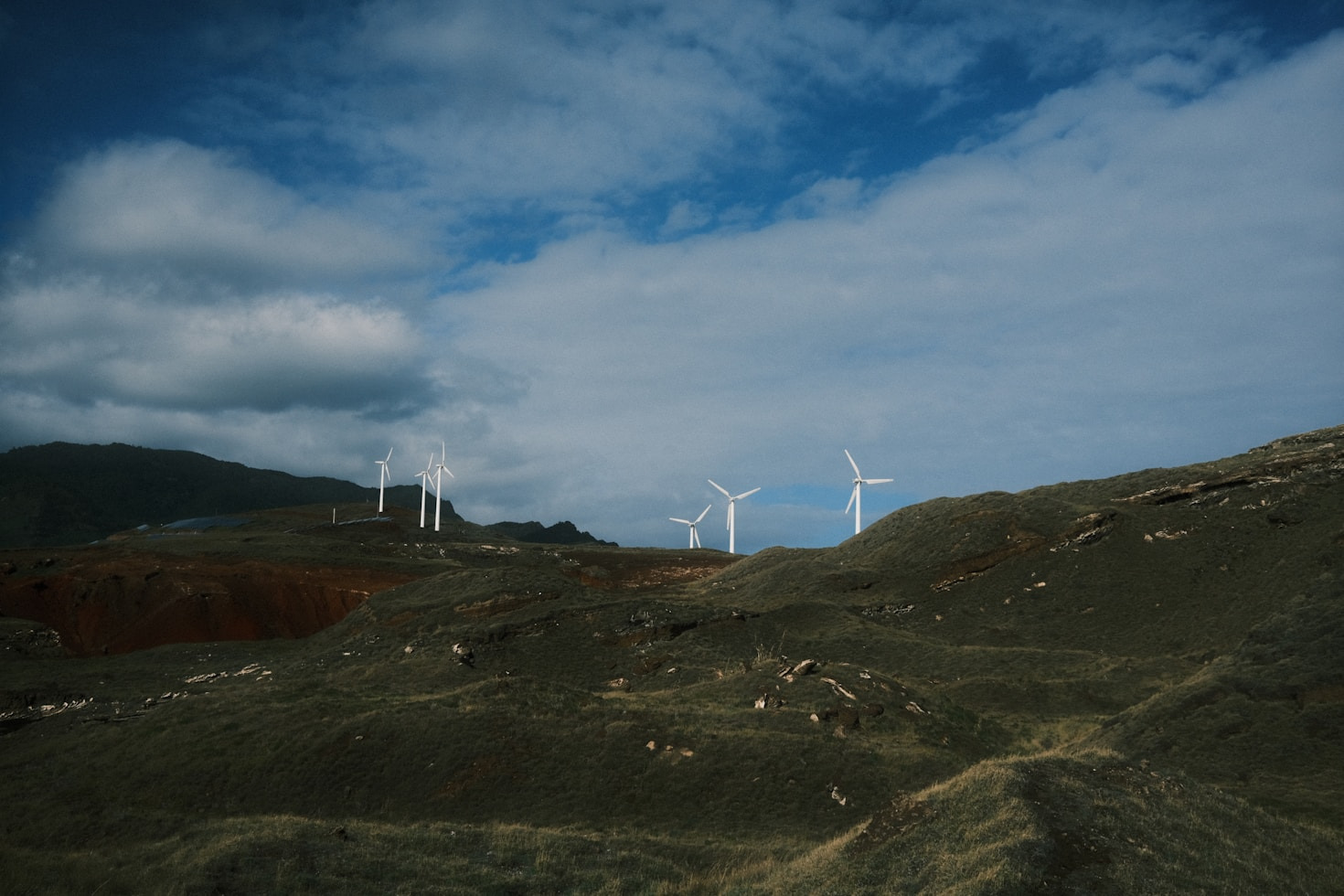
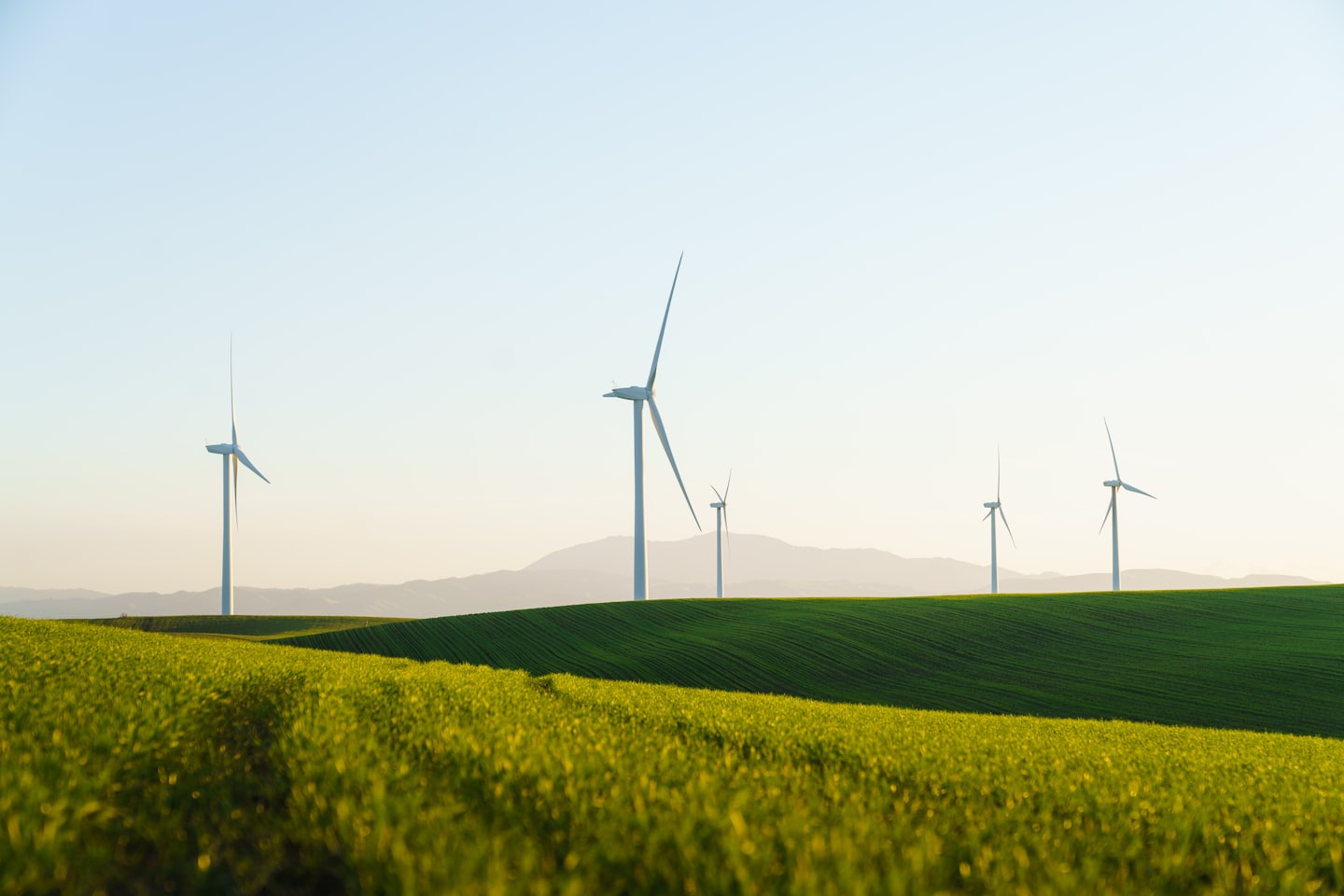
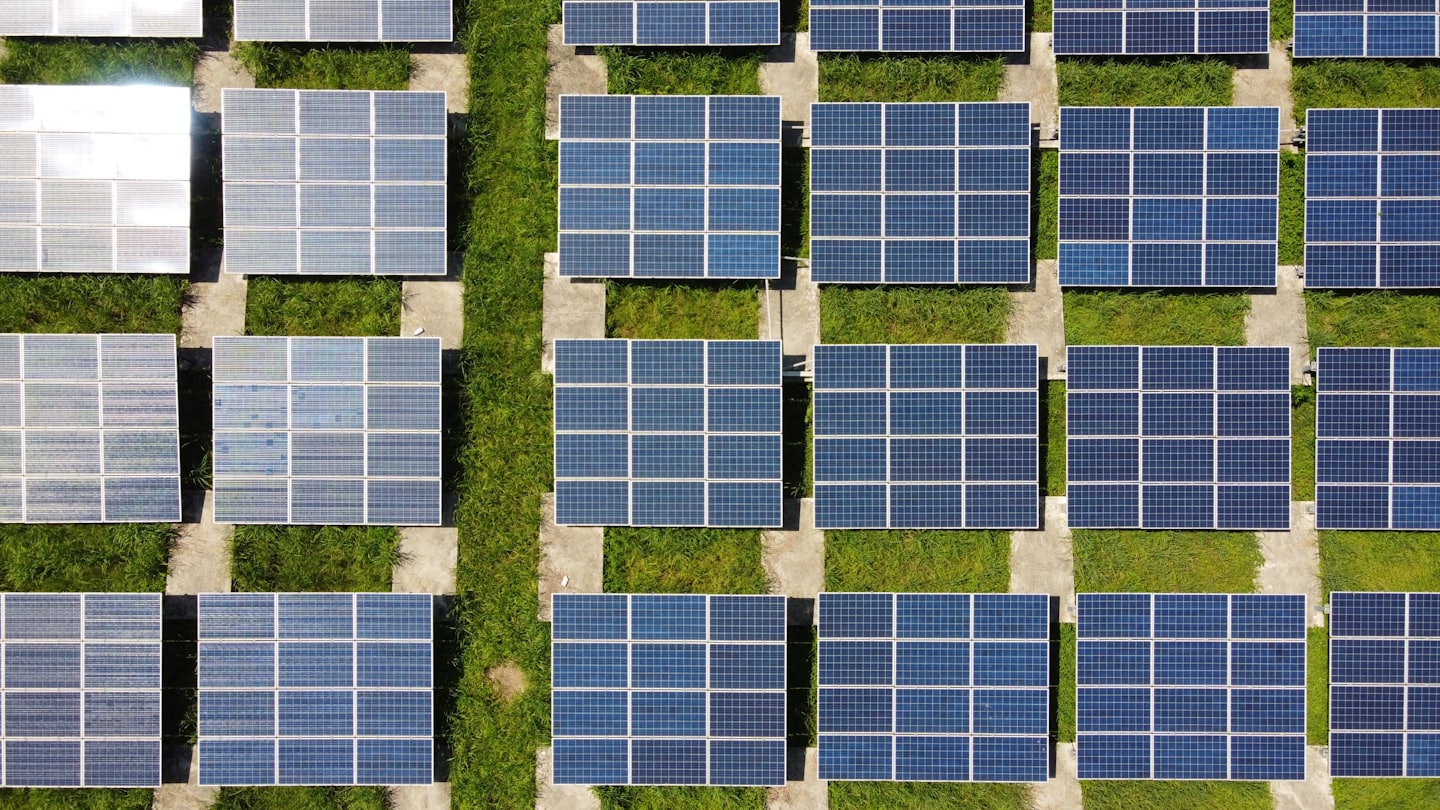
Antigua and Barbuda is virtually 100% dependent on imported petroleum products for its energy sources. The three most important sources of energy used in Antigua and Barbuda in order of preference are natural gas, oil and steam turbines. The country appears to have considerable potential for renewable energy utilization. This is particularly true for wind and solar technologies. Historically wind power was used extensively in Antigua for sugar production, reflecting the presence of a favorable wind regime. Antigua and Barbuda is reported to have one of the best solar regimes in the Caribbean in terms of potential for energy. The use of renewable energy within protected areas will be the focus of Antigua and Barbuda’s mitigation and biodiversity work program for 2010 onwards.
Energy Resources
Antigua and Barbuda is virtually 100% dependent on imported petroleum products for its energy sources. The three most important sources of energy used in Antigua and Barbuda in order of preference are natural gas, oil and steam turbines. The country appears to have considerable potential for renewable energy utilization. This is particularly true for wind and solar technologies. Historically wind power was used extensively in Antigua for sugar production, reflecting the presence of a favorable wind regime. Antigua and Barbuda is reported to have one of the best solar regimes in the Caribbean in terms of potential for energy. The use of renewable energy within protected areas will be the focus of Antigua and Barbuda’s mitigation and biodiversity work program for 2010 onwards.
Tourism
Antigua and Barbuda has adopted integrated planning and policies for sustainable tourism development. Tourism is a major contributor to Antigua and Barbuda’s economy and accounts for more than 50% of the country’s GNP. A Cultural Department has been established to protect the cultural integrity of Antigua and Barbuda. In addition, the “Antiguanisation Programme” has been developed to increase local ownership within the tourism sector.
Biodiversity
Antigua and Barbuda has ratified the Convention on Biological Diversity, the Convention on International Trade in Endangered Species (CITES) and the Specially Protected Areas and Wildlife (SPAW) Protocol. The National Biodiversity Strategy and Action Plan (NBSAP) was produced in 2001. Antigua and Barbuda has submitted its Fourth National Convention on Biological Diversity in 2010. Antigua and Barbuda has important biodiversity for its relatively limited territory. The natural vegetation of Antigua was virtually decimated during the sugar production years, and most of the coverage is secondary growth. Watershed is the most important terrestrial ecosystem for biodiversity in Antigua and Barbuda. Measures of protection for biodiversity include establishing marine and terrestrial parks, promoting public awareness programme, and developing integrated pest control management. However, the use of economic/fiscal instruments is still lacking in the implementation of biodiversity conservation strategies.
Biodiversity
Antigua and Barbuda has ratified the Convention on Biological Diversity, the Convention on International Trade in Endangered Species (CITES) and the Specially Protected Areas and Wildlife (SPAW) Protocol. The National Biodiversity Strategy and Action Plan (NBSAP) was produced in 2001. Antigua and Barbuda has submitted its Fourth National Convention on Biological Diversity in 2010. Antigua and Barbuda has important biodiversity for its relatively limited territory. The natural vegetation of Antigua was virtually decimated during the sugar production years, and most of the coverage is secondary growth. Watershed is the most important terrestrial ecosystem for biodiversity in Antigua and Barbuda. Measures of protection for biodiversity include establishing marine and terrestrial parks, promoting public awareness programme, and developing integrated pest control management. However, the use of economic/fiscal instruments is still lacking in the implementation of biodiversity conservation strategies.