
U.S. Says Doing All It Can To Fight Global Warming

From: Jayne Musumba (jayne@sidsnet.org)
Date: Wed Jun 21 2000 - 12:26:52 EDT

  • Next message: Jayne Musumba: "Faster German Nuke Phase Out Cn Sink Kyoto - Expert"

    LONDON, June 21 (Reuters) - A high ranking U.S. negotiator on
    climate change has slammed critics of the Clinton administration
    who complain that the United States is not doing enough to curb
    greenhouse gas emissions.

    At a conference on the Kyoto Protocol in London on Tuesday,
    Ambassador Mark Hambley, U.S. special negotiator for climate
    change, said the United States was taking the fight on climate
    change "seriously" and was committed to an equitable gobal
    solution.

    "The United States at a federal, state, local and corporate
    levels is taking considerable action in recognition of our
    obligations under the United Nations Framework Convention on
    Climate Change," he told the conference.

    He also rubbished allegations by leading environmental groups and
    other governments party to global climate negotiatons that the
    U.S. will seek to use certain "technical" loopholes contained in
    the global treaty to avoid taking action at home.

    Some critics believe Washington is out to scupper the Kyoto
    Protocol altogether because it fears its potential economic
    impact and gives developing countries such as China and India a
    competitive edge.

    "Since Kyoto, we have been asked some basic questions routinely
    only to have the sincerity of our answers or the motivations
    underlying our responses ignored," said Hambley, who has been
    involved in climate change negotiations for five years.

    "Obviously our message is not getting across, it either suffers
    from credibility, or is an indication of the kind of company we
    keep."

    In a spirited defense of his administration's policies to date,
    Hambley catalogued initiatives the government had undertaken so
    far.

    He also cited evidence "decoupling a rise in emissions from
    economic growth.

    "The bottom line is that in 1998, total emissions of greenhouse
    gases grew by 0.2 percent in the U.S. from their 1997 level in
    comparison with an economy that grew by 3.9 percent."

    CULTURE ON EMISSIONS CHANGING

    At the federal level, he said a recent presidential executive
    order requires the federal government -- the largest energy
    consumer in the U.S. -- to slash greenhouse gases to 30 percent
    below their 1990 levels by 2010.

    A second order that deals with biomass production aims to shift
    energy based on "geology" to energy based on "biology" with the
    aim to save 200 million metric tonnes of greenhouse gas emissions
    by 2010.

    Other initiatives include a U.S. Department of Energy plan to
    issue mandatory efficiency standards on four products: water,
    heaters, clothes washers, central air conditioning and florescent
    lighting ballasts.

    "The new standards are expected to save consumers $30 billion,
    while cutting carbon dioxide emissions by eight million metric
    tonnes per yer by 2010 and by 20 million metric tonnes by 2020,"
    Hambley said.

    Under renewable projects, wind energy as a power source would be
    bumped up to five percent of all U.S. energy output by 2005,
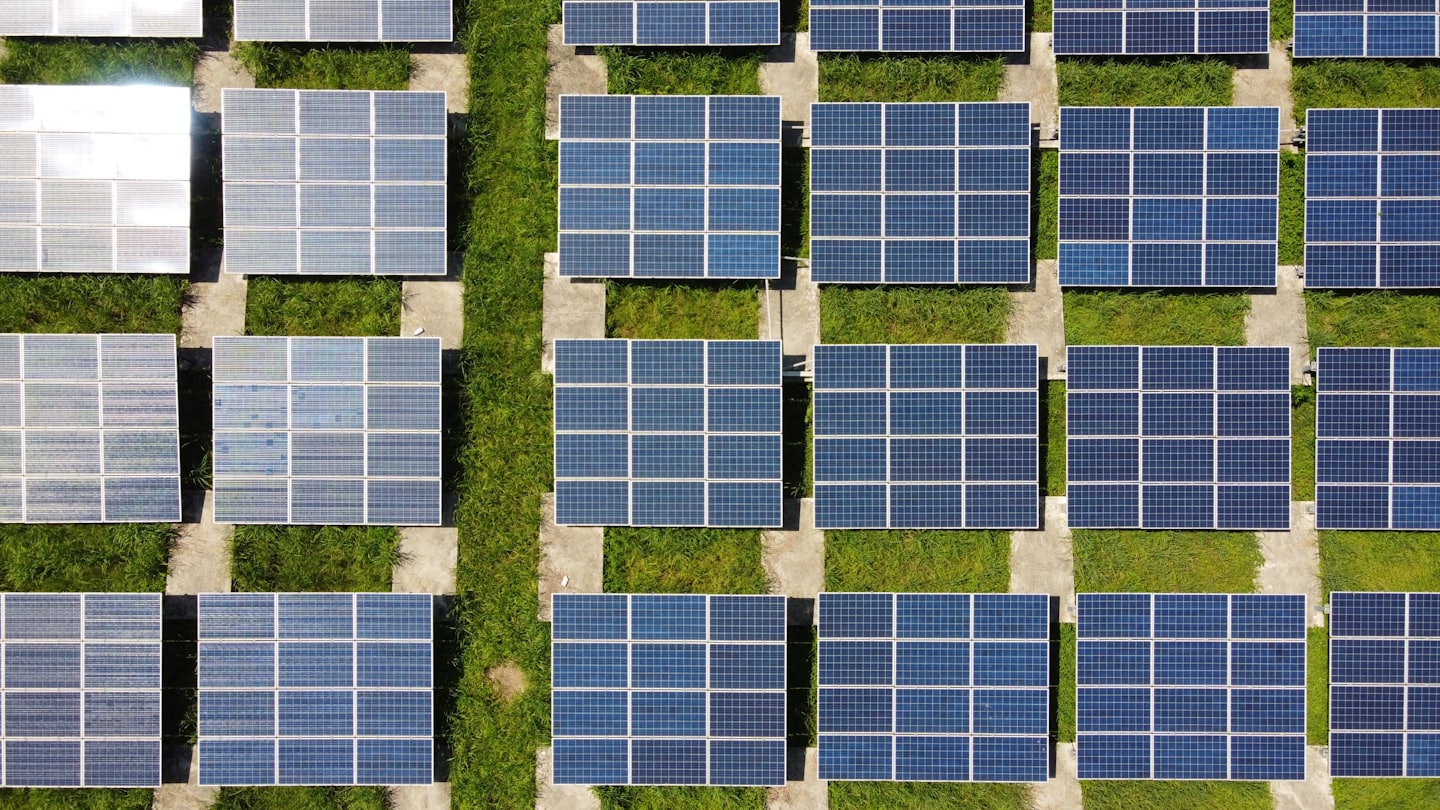
    while a voluntary scheme aims to realise one million solar roofs
    on American homes by the year 2010.

    Hambley said state and local governments too were taking action.
    New Jersey, he said, had taken upon itself to cut greenhouse gas
    emissions by 3.5 percent below 1990 levels by 2005; Oregon is
    capping emissions generated by power plants and California has
    instituted multiple energy options for consumers.

    Moreover California, said the ambassador, is only one of 28
    states that require that some portion of their electrical power
    needs to be generated by renewable sources. Thirty four other
    states are preparing their own green house gas inventories as a
    step towards mitigating the effects.

    Cities and municipalties have also entered the struggle. Hambley
    pointed to 60 leading municipalties that have associated
    themselves with the "Cities for Climate Protection".

    Hambley spoke of 600 leading municipal leaders that recognize the
    seriousness of the global climate change challenge and pointed to
    pledges from corporate America -- over 40 large and medium sized
    companies -- to clean up its act.

    ****************************************************************
    To post a submission by email at climate-newswire@sidsnet.org
    To unsubscribe, email to majordomo@sidsnet.org with the message:
    unsubscribe climate-newswire
    To receive updates via email, send an email to majordomo@sidsnet.org with the message:
    subscribe climate-newswire
    No SUBJECTS required either case.

    Brought to you on the SMALL Island Developing States Network: http://www.sidsnet.org


    This archive was generated by hypermail 2b29 : Wed Jun 21 2000 - 15:12:56 EDT