PACIFIC : Australia's Ambassador Mr. Ralph Hillman at the Pacific Islands Conference on Climate Change

From: Jayne Musumba (jayne@sidsnet.org)
Date: Tue Apr 04 2000 - 08:52:20 EDT

  • Next message: Jayne Musumba: "PACIFIC: Mr. Fiu Mataese Elisara Laulu, Assistant Resident Representative, UNDP, at the Climate Change Conference"

    PRESS STATEMENT 1900
     
    Welcome address Mr Ralph Hillman, Australia’s Ambassador for the
    Environment Pacific Islands Conference on Climate Change,
    Climate Variability and Sea-Level Rise Rarotonga, Cook Islands
    3-7 April 2000
     
    Australia’s ties with the Pacific are strong and long standing.
    Our people enjoy historical connections, a common Pacific
    heritage, a widening range of political and economic links and
    a broad network of personal ties. We have long accepted that
    Pacific Island countries are particularly disadvantaged
    by isolation, limited production bases, and vulnerability to
    natural disasters. Our aid partnership and defence relations
    through the Pacific Patrol Boat program exemplify the spirit of
    cooperation that characterises our relations with the island
    nations of the Pacific.
     
    It is against this background that I’d like to say how pleased
    Australia is to be associated with the Pacific Islands Climate
    Change, Climate Variability, and Sea-Level Rise Conference here
    in Rarotonga. Australia has made a substantial contribution to
    the funding of this conference through our South Pacific Sea
    Level and Climate Monitoring Project.
     
    That project is building a high quality data base on sea level
    change in the Pacific. A discussion of the project - and its
    findings to date - is scheduled for tomorrow. As we all know,
    measuring climate change is a long-term proposition. It
    therefore gives me great pleasure to inform the conference that
    Australia’s Minister for Foreign Affairs, Mr Alexander Downer,
    has announced that Australia will fund a third phase of the
    project through to 2005.
     
    We think there is considerable merit in the conference theme -
    “Linking Climate Science to Climate Policy.” Good policy is
    based on sound analysis and in the climate arena, it needs to
    be based on quality science. Accordingly, I am pleased to see
    such a strong turn out of scientific expertise at the
    conference.
     
    I hope that by the end of this week we will have developed a
    realistic regional framework for addressing the issues based on
    sound science. The Australian Government is committed to
    assisting Pacific Island countries to respond to climate
    variability and climate change. Through AusAID, we
    already have a broad programme of activities in place aimed at
    addressing climate-related issues in the Pacific.
     
    For example, in addition to our sealevel and climate monitoring
    project that I just mentioned, we are planning to assist
    Pacific Island countries develop strong meteorological services
    to help forecast climate variability and
    extreme weather events. Our contribution to disaster management
    efforts also aims to assist PICs to cope with extreme weather
    events. Through SPC and in partnership with France, we are
    und4ertaking a project focussed on demonstrating small-scale
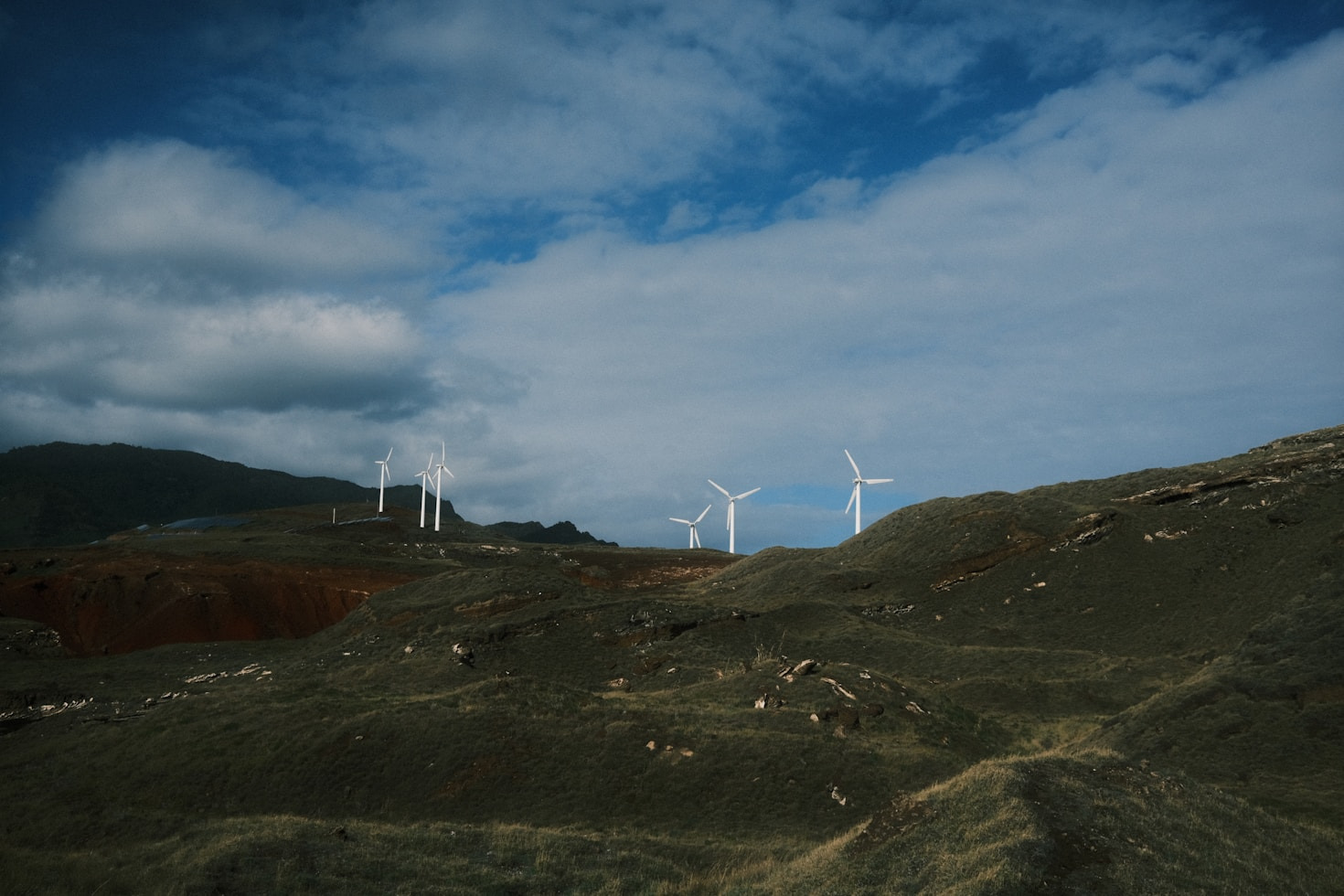
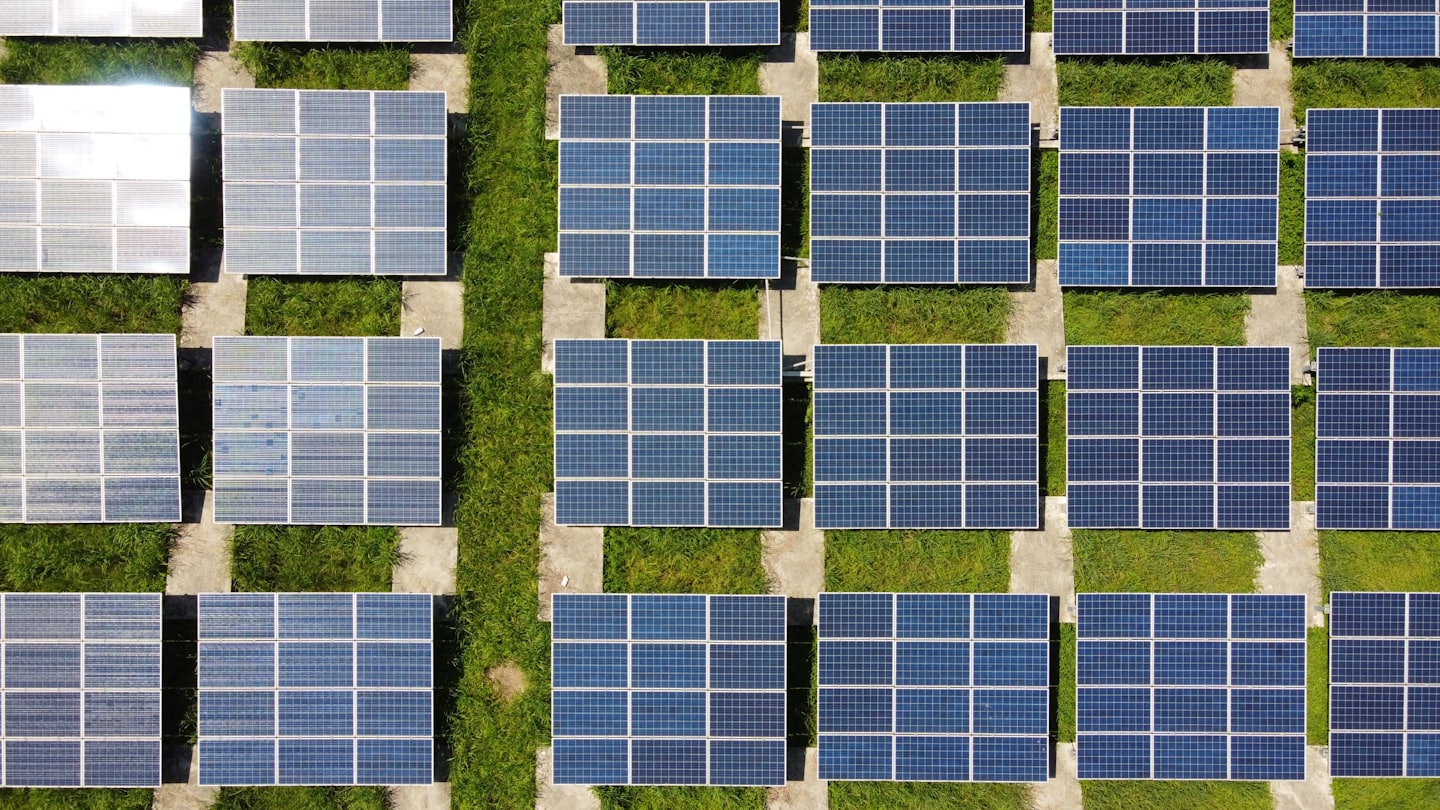
    renewable energy technologies appropriate for Pacific Island
    countries.
     
    We also hope that Pacific Island countries will explore
    opportunities to help them identify the benefits and
    opportunities of the Clean Development Mechanism through the
    national strategy study programme. Australia has contributed
    US$2 million (AU$3 million) to this collaborative initiative
    with the World Bank.
     
    Developing countries in the Pacific and elsewhere have the right
    to expect major emitters of greenhouse gases to act to address
    greenhouse emissions growth. The Kyoto Protocol is an important
    milestone in this regard. Under the Kyoto Protocol, Australia’s
    target requires that we reduce greenhouse gas emissions growth
    to 108 per cent of our 1990 baseline. This equates to a
    challenging reduction of almost 30 per cent from business-as-
    usual projections, in line with other countries.
     
    Australia is putting in place a broad-ranging programme of
    measures to ensure that this target can be met. In 1997, Prime
    Minister Howard announced a major package of measures to
    address climate change - allocating AU$180 million over five
    years toward domestic programmes aimed at reducing emissions.
    In June last year, the Australian Government committed an
    additional AU$796 million to a new, far-reaching emissions
    reduction programme through the Measures for a Better
    Environment initiative. Overall, the Australian Government’s
    greenhouse programmes represent almost AU$1 billion worth of
    expenditure, making Australia a world leader in terms of
    government funding for greenhouse on a per capita basis.
     
    This expenditure is a very real measure of the importance
    Australia gives to action to tackle climate change. An official
    from the Australian Greenhouse Office will explain our domestic
    greenhouse programme in greater detail during the conference.
    Ultimately, the solution to global warming lies in the entry-
    into-force and implementation of the Kyoto Protocol. Australia
    attaches considerable importance to the completion of the
    negotiations that will permit ratification and entry-into-force
    of the Protocol.
     
    At COP5 last November an intensified negotiating plan was agreed
    and we were encouraged by ministerial reaffirmation’s of
    determination to make substantial progress at COP6 in The Hague
    later this year. A COP6 that delivers balanced decisions on the
    outstanding issues it will address will be an important step
    towards entry-into-force of the Protocol. The final step, that
    will be the key to the implementation of Kyoto, will be the
    acceptance of commitments by major developing countries, whose
    emissions of greenhouse gases are projected to surpass those of
    developed countries within 15 years.
     
    Australia would like to foster a cooperative approach to the
    negotiations with our Pacific neighbours. Regular dialogue and
    better understanding of our respective concerns will contribute
    positively to this aim. This conference provides an excellent
    opportunity to advance this understanding, along with its
    overarching goal of ensuring sound climate policy based on
    sound science.
     
    Forum Secretariat/South Pacific Regional Environment Programme
    Rarotonga, Cook Islands 3 April 2000
     

    ****************************************************************
    To post a submission by email at climate-newswire@sidsnet.org
    To unsubscribe, email to majordomo@sidsnet.org with the message:
    unsubscribe climate-newswire
    To receive updates via email, send an email to majordomo@sidsnet.org with the message:
    subscribe climate-newswire
    No SUBJECTS required either case.

    Brought to you on the SMALL Island Developing States Network: http://www.sidsnet.org


    This archive was generated by hypermail 2b29 : Tue Apr 04 2000 - 08:57:49 EDT